The Seven Phases of an Automotive Retail M&A Transaction

From valuation and confidential marketing to OEM approval and closing, successful dealership transactions demand preparation, disciplined execution, and an understanding of the industry’s unique complexities.
I am regularly asked what it takes to buy or sell an automotive dealership. The answer is more involved than most people expect. Having been responsible for more than $1 billion in transactions, it is my experience that successful automotive mergers and acquisitions (M&A) depend on four fundamentals: trust, confidentiality, process, and patience.
Whether helping a dealer principal identify the right acquisition or guiding an owner through a sale, effective representation requires sound judgment, disciplined execution, and a clear understanding of the client’s objectives.
A dealership transaction is not simply a negotiation between a willing buyer and seller. It involves financial analysis, franchise considerations, inventory valuation, legal documentation, real estate, lender coordination, and operational continuity. Each element affects the others.
While timelines vary, dealership buy/sell transactions commonly take six months or longer. Most follow seven distinct phases, each with its own priorities, risks, and requirements.
1. Preparation and valuation: Establish the facts
A successful transaction begins well before a dealership enters the market. Preparation establishes a credible financial picture, supports valuation, and identifies issues that could delay or undermine a deal.
The first step is to prepare and review three to five years of financial statements, including manufacturer financial statements. The objective is to distinguish sustainable earnings from unusual or nonrecurring items.
Normalizing the profit-and-loss statement is particularly important. Properly documented adjustments provide a clearer view of ongoing profitability. Because dealership goodwill, commonly called “blue sky,” is often valued using an earnings multiple, even modest changes in normalized earnings can materially affect value.
Valuation, however, extends beyond the multiple. Franchise, market, brand, operating performance, real estate, inventory, and fixed assets all matter. Potential liabilities, title issues, environmental assessments, and relevant legal matters also warrant early attention. Dealer management system (DMS) and other technology agreements should be reviewed for assignment restrictions, termination fees, and obligations that could affect the transition.
The objective is straightforward: substantiate value, identify risks, and eliminate avoidable surprises.
2. Confidential marketing: Protect the business
News of a potential sale can unsettle employees, concern customers and vendors, alert competitors, and disrupt operations. Confidentiality must therefore guide the marketing process from the outset.
Outreach typically begins with discreet, targeted communication. Initial communication typically describes the opportunity by geography and franchise category without identifying the dealership. Prospective buyers should be evaluated for strategic fit, financial capacity, acquisition experience, and credibility. Qualified parties generally sign nondisclosure agreements (NDAs) before receiving sensitive information, with access expanding as their interest and qualifications are established.
The objective is not to generate the most inquiries. It is to attract credible buyers while protecting the business.
Price matters, but it is not the only consideration. A buyer’s ability to secure OEM approval, finance the acquisition, maintain operational continuity, and meet the seller’s broader objectives can be equally important.
3. Letter Of Intent: Define the deal
Once a qualified buyer emerges, the parties generally negotiate a letter of intent (LOI). It establishes the principal financial and structural terms, including purchase price, real estate arrangements, key contingencies, and the anticipated timeline.
Most economic provisions are typically nonbinding, although terms such as confidentiality or exclusivity may be binding. The LOI should clearly identify which provisions are binding and which remain subject to definitive agreements.
The parties must also consider transaction structure. In an asset sale, the buyer acquires specified assets and assumes agreed-upon liabilities. In a stock sale, the buyer acquires ownership interests in the selling entity. The appropriate structure depends on legal, tax, contractual, and commercial considerations.
Real estate deserves particular attention. Whether the buyer purchases the property, leases it, or negotiates another arrangement can materially affect financing, cash flow, and the seller’s future plans.
A well-defined LOI reduces ambiguity before the parties commit significant time and expense to due diligence and definitive agreements.
4. Asset purchase agreement: Document the details
After the LOI establishes the framework, attorneys prepare the definitive purchase agreement referred to as an asset purchase agreement (APA) in an asset sale. Preliminary terms become enforceable contractual obligations, subject to the agreement’s provisions.
Inventory treatment is a central issue. The agreement should specify how new and used vehicles, parts, and other assets will be valued, including the treatment of aged or obsolete parts.
The parties must also address work in progress, receivables, liabilities, employee matters, representations and warranties, indemnification, and closing conditions, as applicable.
Vendor contracts require similar scrutiny. Technology and operational agreements may contain assignment restrictions, minimum commitments, termination fees, or change-of-control provisions. Buyers must determine which agreements to retain, renegotiate, replace, or terminate.
Precision matters. Ambiguity around inventory, purchase-price adjustments, or assumed liabilities can become an expensive source of contention. These issues should be resolved in the agreement, not left for interpretation at closing.
5. Due diligence and OEM approval: Validate the opportunity
Due diligence tests the assumptions underlying the deal. Buyers examine financial performance, working capital, inventory, litigation, taxes, employment matters, regulatory compliance, finance and insurance (F&I) practices, and material operating agreements. The objective is to confirm what is being acquired, identify risks, and determine whether the agreed economics remain justified.
Concurrently, a buyer submits a comprehensive application package to the OEM, proving financial strength, operational capability, background compliance, and strict brand alignment. The formal review process typically takes up to 60 days once all paperwork is complete. Requirements vary by manufacturer and transaction.
OEM approval is not the same as an OEMs right of first refusal (ROFR). Depending on the applicable franchise agreement and other governing documents, the OEM may have a contractual right of first refusal, which can allow it to step into a proposed transaction and acquire the dealership on specified terms and conditions.
Dealer principals must recognize a fundamental principle: owning a dealership does not confer unrestricted rights to represent a brand in a particular market. The franchise relationship is governed by manufacturer agreements and applicable law. OEM approval can therefore determine whether, and on what timeline, a transaction proceeds.
These considerations should be addressed early. An agreed purchase price does not guarantee franchise approval, and delays or changes in OEM requirements can affect the transaction’s structure and outcome.
6. Closing and settlement: Reconcile the numbers
Closing involves more than signing documents and transferring funds. The parties must reconcile the assets and obligations that determine the final settlement. A physical inventory count is often conducted shortly before closing, sometimes by a specialized third party. Vehicles, parts, tools, and other inventory are counted and reconciled according to the purchase agreement. Work in progress and other adjustments may also affect the final calculation.
The settlement statement incorporates inventory values, prorations, credits, and other agreed adjustments. Consequently, the final amount payable may differ from the headline price negotiated months earlier.
Floor-plan financing also requires coordination. The seller’s existing obligations must be addressed, while the buyer’s financing must be ready to support inventory and ongoing operations. Funding, lien releases, titles, and closing deliverables must align.
Meanwhile, sales, service, parts, payroll, and customer support must continue without interruption. A successful closing is both a financial settlement and an operational handoff.
7. Post-closing and transition: Protect continuity
Closing is a milestone, not the end of the work. The seller may need to collect outstanding receivables, reconcile final manufacturer statements, resolve remaining obligations, and complete tax and reporting requirements. The buyer begins integrating the dealership into its operating structure, aligning systems, confirming vendor arrangements, and communicating with employees and other stakeholders.
OEM image standards or required capital improvements may also create post-closing obligations. These commitments should be understood and incorporated into the buyer’s plans.
Employees need clarity, customers need continuity, and the buyer needs reliable information about the acquired business. Addressing responsibilities before closing makes that transition more manageable.
For sellers, this phase means fulfilling remaining commitments. For buyers, it marks the beginning of the work required to realize the value anticipated when the deal was negotiated.
The best deals are structured well before closing
The seven phases are distinct but interconnected. Financial preparation informs valuation; valuation shapes negotiations; the LOI frames definitive agreements; and due diligence and OEM approval determine whether the transaction can proceed. Inventory reconciliation and financing drive closing, while post-closing execution influences how effectively the business transitions to new ownership.
Sellers should begin preparing well before going to market. Buyers should establish clear acquisition criteria and apply disciplined underwriting before making an offer. In both cases, stronger outcomes come from understanding the business, anticipating obstacles, and managing the process with realistic expectations.
The purchase price may define the headline, but execution determines the outcome. In dealership M&A, trust, confidentiality, process, and patience are essential to protecting value, managing risk, and completing a successful transaction. The right advisor helps bring those elements together, from the first strategic conversation through closing – and beyond.
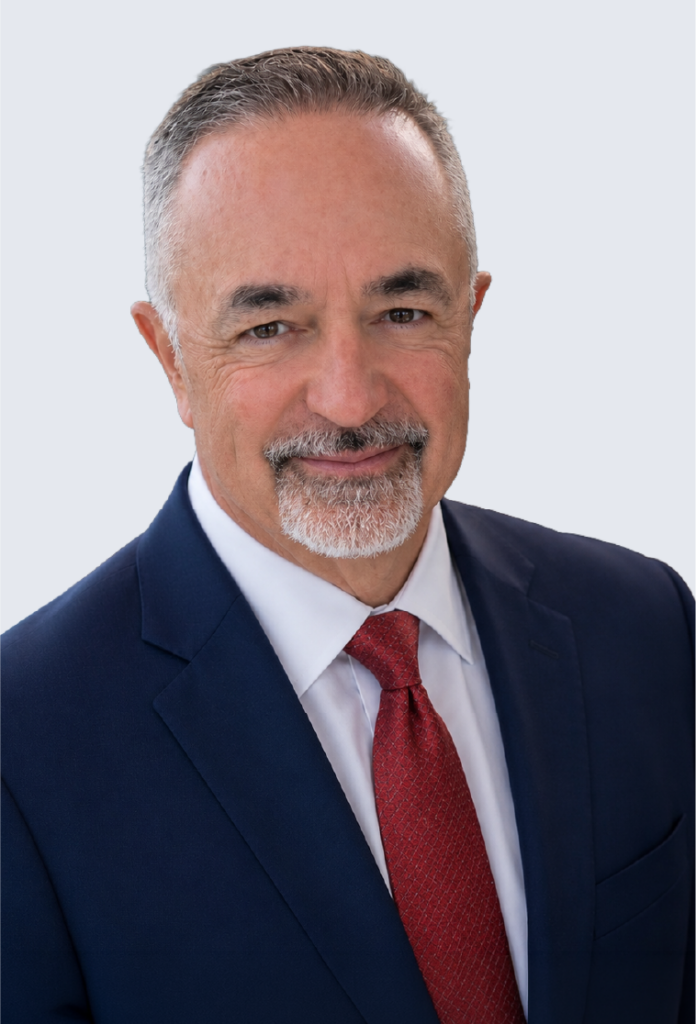
Author: George Pero
George Pero is an accomplished leader in the automotive industry. George began his career in the automotive retail sector, where he held various management positions. George’s career achievements include successfully launching, operating, and selling Auctions In Motion (“AIM”), a regional “mobile” auction company that brings the auction to the dealer. George has extensive knowledge & expertise in mergers & acquisitions in the automotive sector, having overseen more than $1 billion in transactions. His sales and general management experience coupled with his success in M&A activities led George to establish Mach10 Automotive, an Advisory firm offering a 360-degree suite of services for new franchise automotive dealers and wholesale auctions to include performance improvement, succession planning, and M&A.