Seeing the Deal From the Other Side of the Table

Why understanding the buyer’s perspective can make a dealership transaction more successful
Reflecting on the many M&A transactions I have had the privilege of leading to successful closing, I have learned that what initially appears to be an immovable point of contention is not always as consequential as it seems. What one party considers non-negotiable may carry little importance to the other, while something seemingly minor to a seller may be fundamental to the buyer, and vice versa.
The key is understanding what each party truly values. When buyers and sellers take the time to understand what a priority to the other party is, they can often find flexibility where they initially saw none. In many transactions, that willingness to appreciate the other perspective is what turns points of contention into opportunities for compromise and ultimately gets the deal to closing.
In fact, understanding the other side’s point of view can be one of the most valuable disciplines a dealer principal can develop when considering a sale. The better each side understands what drives the other, the greater the opportunity to structure a transaction that actually gets completed.
It starts with interest
When a dealer principal decides to explore a sale, the natural objective is to sell at the highest price. That often means seeking competitive bidding, a strong Blue Sky multiple, favorable terms, tax efficiency, and a buyer capable of closing with certainty.
A buyer sees the same opportunity differently. Although the store’s performance is critically important, the buyer is not purchasing the dealership’s history. They are purchasing its future cash flow. They want to understand the performance as a gauge and an assurance to assess whether the reported earnings are sustainable, the franchise has long-term strength, and whether the business can produce an acceptable return on the capital required to acquire it.
This is why two buyers can look at the same dealership and reach very different conclusions about value. One may see significant opportunity for growth. Another may see substantial risk or required investment.
The seller may ask, “What will you pay?”
The buyer is asking, “What return will I generate on what I pay?”
That distinction shapes nearly everything that follows.
Valuation is where perspectives first collide
For the seller, the Blue Sky multiple can feel like the central measure of value. A strong multiple validates the quality of the dealership that has been built.
For the buyer, however, the multiple is only part of the equation. A buyer is focused on adjusted or normalized earnings and what those earnings are likely to produce in the future.
A dealership generating strong historical profits may still receive scrutiny if those earnings depend heavily on the current owner, unusual expense structures, one-time gains, weak management depth, or operating conditions that may not persist.
The buyer is not necessarily challenging the seller’s accomplishments. They are trying to determine what they are actually buying.
That is why preparing a dealership for sale is so important. Clean financial reporting, sustainable earnings, strong management, disciplined operations, and well-documented processes allow the seller to make the case for value before the buyer has to make the case for risk.
The seller wants certainty. The buyer wants answers.
Once an agreement is reached on price and terms, sellers understandably want the transaction to move quickly toward closing. After months, or years, of considering a transition, signing a purchase agreement can feel like the finish line.
For the buyer, it is often the beginning of the most intensive evaluation. Due diligence may examine working capital, inventory, parts, F&I performance, employee compensation, environmental matters, litigation, real estate, facility obligations, related-party transactions, and historical financial reporting.
A seller may view questions and requested adjustments as an attempt to re-negotiate the deal. The buyer sees them as necessary steps before committing significant capital.
This distinction is important. Due diligence is the process through which the buyer wants to validate what was represented is what they are actually acquiring.
The cleaner the business and the more realistic the expectations going into diligence, the less opportunity there is for surprises on either side.
Real estate can tell two very different stories
For a seller, the dealership facility and underlying real estate may represent decades of appreciation and a significant source of wealth. Retaining the property and receiving long-term rent can be an attractive alternative to selling it.
For a buyer, that same real estate may represent required capital, financing considerations, and future obligations.
The facility itself can create another point of contrast. A seller may see a successful dealership operating from an existing facility. A buyer may see millions of dollars of future capital expenditures related to OEM image compliance programs, EV charging, service capacity, technology, or customer experience.
Neither is necessarily looking at the same asset. The seller sees what has been built.
The buyer sees what may still need to be built or upgraded.
OEM approval changes the equation
Perhaps nowhere is the difference in perspective more important than OEM approval.
A seller may believe they have found the right buyer, negotiated the right price, and completed the hard part.
The buyer knows that an executed agreement does not necessarily mean the transaction can close. OEM approval, financing, facility requirements, licensing, landlord matters, and other third-party approvals can remain outstanding.
And the OEM is evaluating the buyer from its own perspective: financial strength, operating capability, management, experience, market strategy, facility compliance, and long-term commitment to the franchise all matter.
An interested party is not necessarily an executable buyer. For the seller, identifying a buyer who can satisfy those requirements before significant time is invested can be just as important as negotiating the highest price.
Then there is the issue of time
Sellers often want speed. Every additional month creates uncertainty, prolongs confidentiality concerns, and leaves the business exposed to changing market conditions or the risk of word getting out the business is for sale.
Buyers want sufficient time to make a sound investment decision. That tension is unavoidable.
A transaction typically involves the buyer, seller, OEM, lenders, attorneys, accountants, landlords, environmental consultants, licensing authorities, and others. Each party has its own requirements and timeline.
From the seller’s perspective, delays can feel unnecessary. From the buyer’s perspective, moving faster than the process allows can increase risk. The irony is that both sides ultimately want the same thing: a successful closing. The challenge is recognizing that speed and certainty are not always the same thing.
And finally, the transaction is personal
For a dealer principal, selling a dealership can represent far more than an economic transaction. It may represent a lifetime of work, family history, employee relationships, community involvement, and personal identity.
Generally, buyers cannot assign the same emotional value to that history. That does not mean they don’t respect it. It simply means they evaluate the business differently.
They are investing in what comes next. They are asking whether employees will remain, whether customers will stay, whether management will perform, whether the franchise will prosper, whether the facility will require significant investment, and whether the business can generate the returns necessary to justify the acquisition.
The seller is monetizing a legacy. The buyer is underwriting a future.
The best transactions happen when both sides understand this
A successful dealership transaction is not about one side winning every issue. It is about creating enough alignment that both parties believe the transaction makes sense.
Sellers should understand that buyers are not simply trying to pay less. They are managing risk and underwriting future returns. Buyers, in turn, should recognize that sellers are not simply trying to extract every possible dollar. They are seeking fair recognition and monetization of the value, risk, and years of effort invested in building the business.
Generally, sellers also want assurance that the buyer will appreciate the culture they have fostered and the role the dealership plays in the community. Those elements are integral to the goodwill a buyer is acquiring and assuming responsibility for.
The dealer principal who understands both perspectives is better equipped to negotiate intelligently, anticipate objections, prepare the business, evaluate prospective buyers, and avoid surprises that can derail a transaction.
Ultimately, the strongest transactions are not created by finding the highest number. When buyers and sellers take the time to understand the priorities driving the other side, they can often find flexibility where they initially saw none. In many transactions, that willingness to appreciate the other perspective is what turns points of contention into opportunities for compromise and ultimately gets the deal to closing when value, risk, expectations, and execution align well enough for both sides to confidently sign the agreement.
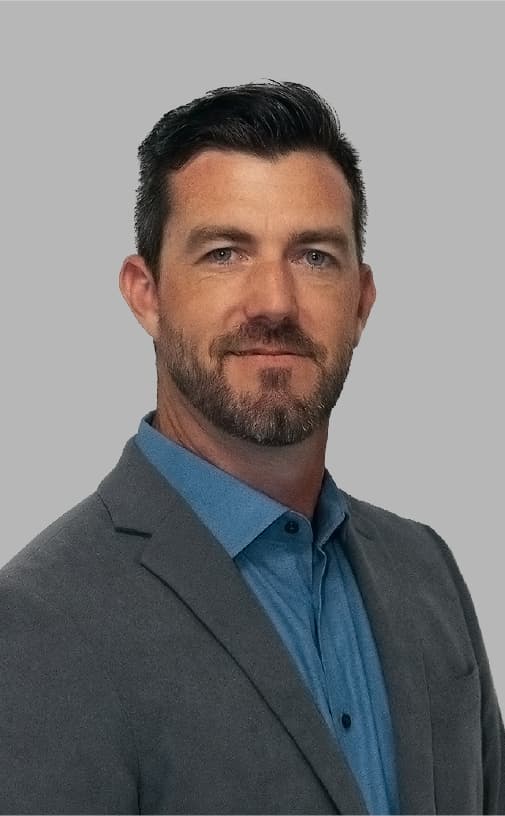
Author: George Pero
George Pero is an accomplished leader in the automotive industry. George began his career in the automotive retail sector, where he held various management positions. George’s career achievements include successfully launching, operating, and selling Auctions In Motion (“AIM”), a regional “mobile” auction company that brings the auction to the dealer. George has extensive knowledge & expertise in mergers & acquisitions in the automotive sector, having overseen more than $1 billion in transactions. His sales and general management experience coupled with his success in M&A activities led George to establish Mach10 Automotive, an Advisory firm offering a 360-degree suite of services for new franchise automotive dealers and wholesale auctions to include performance improvement, succession planning, and M&A.